WATCH: Americans shine at US Open

ABC News’ Sophie Flay has the highlights from the U.S. Open, where Americans have dominated early.

Source link
Published

Carole Radziwill is speaking out about her name surfacing in the Epstein files — saying she was totally in the dark about the evil doings of her onetime friend and Epstein confidant, Ghislaine Maxwell, who she now calls a “horrible person.”
The Real Housewives of New York star sat down Tuesday with Bravo host Andy Cohen for a Q&A to promote season 16 of RHONY, during which Carole’s past association with Maxwell became a hot topic.
Waiting for your permission to load the Instagram Media.
First, Andy brought up Carole’s return to the show, recalling that she said it was an opportunity after her name appeared in the Epstein files. Carole was previously a main cast member on RHONY from 2012 to 2018.
In the clip … Carole admits her name is mentioned as a friend of Maxwell in the Epstein files along with “many, many, many more people.” She said the topic is not something she shies away from because she believes it’s important to talk about.

She also said, “Obviously I didn’t know anything as no one, you know, 20 years ago would have known anything.” But, Carole said, it was hard for her to swallow that Maxwell — a “friend at some point” — “was a horrible, horrible person doing horrible things.”
In addition, Carole said she was “really nervous” when she first saw her name in the Epstein files, adding that “there’s real victims and survivors that were brave enough to really stand up to these very, very powerful people.”

Federal prosecutors say Epstein and Maxwell ran an international child sex trafficking ring. In 2019, Epstein died by suicide in a federal lockup while awaiting trial on sex trafficking charges. As for Maxwell, she was convicted of sex trafficking and other crimes in 2022, and then sentenced to 20 years in federal prison.
In March, Carole also addressed the Epstein-Maxwell issue during a New York Times interview, saying she met Maxwell while they were running in the same social circles in NYC. She said her friendship with Maxwell ended long before Maxwell’s crimes came to light. Carole said she did not know Epstein.
And Carole’s connection to the Epstein files will be covered in the upcoming season of RHONY. In July, producers released a trailer showing Carole talking about Epstein with the other cast members.
The Veazy Vaporizer from Storz & Bickel is a compact dry herb vaporizer built for everyday sessions.
It features hybrid heating, 3 preset temperatures (Base, Booster, Superbooster), and an integrated cooling unit for comfortable draws.
Fast heat-up, USB-C charging, and a lightweight design make it ideal for those exploring vaping vs smoking alternatives.
This video is intended for educational purposes only.
source
Managing equipment efficiently is essential for any organization aiming to boost productivity and cut costs. Start by creating a detailed inventory of your equipment; this will help you know what you have and what condition it’s in. Next, implement a check-in/check-out system to track usage. Monitor location and status regularly to prevent loss. By using technology for real-time tracking and setting up maintenance alerts, you can streamline operations. Now, let’s explore the next critical steps.

Effective equipment management is essential for any organization aiming to boost productivity and reduce costs. By maintaining a detailed equipment inventory, you can effectively manage equipment and minimize unplanned downtime by up to 30%. This means fewer disruptions and lower operational costs.
Implementing preventive maintenance strategies can extend equipment lifespan by 20-50%, saving you money in the long run.
Additionally, real-time tracking of equipment can reduce asset loss or theft by 25%, enhancing security and resource allocation. Regular audits paired with efficient inventory management equipment can increase operational efficiency by 15-20%, helping you make informed decisions about purchases and usage.
Finally, effective management supports compliance with industry regulations, lowering the risk of costly fines and improving workplace safety. By taking these steps, you’ll create a more productive and cost-efficient environment for your organization.

Equipment management is all about keeping your tools and machinery in top shape throughout their entire life cycle. To do this effectively, you’ll need to oversee various aspects, from planning and procurement to maintenance. Here’s a quick overview of key elements to keep in mind:
| Key Aspect | Description |
|---|---|
| Categorization | Use unique identifiers for each asset. |
| Regular Audits | Schedule audits to track condition and usage. |
| Preventive Maintenance | Implement regular checks to avoid costly repairs. |
Utilizing an Equipment Management System (EMS) can streamline these processes, making it easier to track assets and manage maintenance schedules. Remember, effective equipment management not only enhances operational efficiency but also extends the lifespan of your assets, saving you money in the long run. Start by implementing these basics today, and you’ll see the difference.

Managing equipment effectively requires understanding the five key stages of the Equipment Management Cycle: Planning, Procurement, Deployment, Utilization, and Maintenance.
In the Planning stage, assess your needs, forecast future requirements, and budget accordingly. This sets the groundwork for smart purchasing decisions.
Next, during Procurement, focus on sourcing the right equipment. Negotiate terms and arrange delivery to meet your operational demands efficiently.
Once you have your equipment, move to Deployment. Install and integrate it properly, train your staff on its use, and establish clear operating procedures. This guarantees smooth operations from the start.
In the Utilization stage, actively use the equipment while monitoring its performance. Regularly conduct inspections to catch issues early.
Finally, in the Maintenance stage, perform routine upkeep to prolong the equipment’s lifespan and prevent breakdowns. Following these stages helps you manage equipment effectively and enhances your organization’s overall efficiency.

To create an accurate equipment inventory, start by cataloging each piece with key details like quantity, specifications, and condition.
Use unique identifiers, such as QR codes, to make tracking and management easier.
Regularly update your records and conduct audits to guarantee everything is accounted for and in good working order, enhancing efficiency and reducing discrepancies.
Creating an accurate equipment inventory is essential for effective management and operational efficiency. Start by cataloging all your equipment, noting details like quantity, specifications, age, condition, and maintenance history. This gives you a thorough overview.
Use a centralized platform, such as an Asset Management System (AMS), to keep your inventory data accessible and up-to-date. Implement unique identifiers, like QR codes or barcodes, for each piece of equipment to track them in real time and reduce discrepancies.
Regularly conduct physical audits to verify accuracy and identify lost items. Finally, establish a routine for updating records, ensuring your inventory aligns with your organization’s needs and compliance standards. This proactive approach keeps everything running smoothly.
Accurate equipment inventory is essential for any organization aiming to enhance asset management and operational efficiency.
Start by implementing a centralized tracking system, like an Equipment Management System (EMS), to maintain data consistency across departments. Regularly update your inventory to track equipment quantity, condition, and location in real-time. This practice helps prevent discrepancies and improves decision-making for maintenance scheduling and budgeting.
Conduct regular audits to identify missing items and optimize resource allocation, reducing costs linked to unplanned downtime. Additionally, keeping accurate records guarantees compliance with industry regulations, as it confirms all equipment is accounted for and properly maintained.

A well-structured check-in/check-out system can transform how you manage equipment, guaranteeing you always know who has what. Start by selecting an easy-to-use software or mobile app that supports QR codes or barcodes. This allows staff to quickly check in and out equipment, providing real-time updates to your inventory.
Next, create a simple log to track equipment usage, which can help you identify patterns over time. Here’s a basic template to get you started:
| Equipment ID | User Name | Check-out Date |
|---|---|---|
| 001 | John Doe | 2023-10-01 |
| 002 | Jane Smith | 2023-10-02 |
| 003 | Bob Johnson | 2023-10-03 |
| 004 | Alice Brown | 2023-10-04 |
| 005 | Tom White | 2023-10-05 |
Regularly audit these logs to guarantee accountability. This system not only minimizes loss but also promotes better care and maintenance practices among users.

To keep your equipment running smoothly, establishing a preventive maintenance schedule is key.
By scheduling regular checks, you can catch wear and tear early, which helps avoid costly breakdowns and extends the life of your machinery.
Plus, tracking maintenance history allows you to make informed decisions about future needs, ensuring you stay ahead of potential issues.
When you prioritize preventive maintenance in your equipment management strategy, you can greatly enhance your operational efficiency. By implementing a preventive maintenance schedule, you’re likely to reduce equipment breakdowns by up to 30%, saving on emergency repairs and lost productivity.
Furthermore, regular inspections can extend your assets’ lifespan by 20% to 40%, ensuring you get better returns on your investments.
Additionally, you’ll improve equipment efficiency by about 15%, which optimizes your overall performance. Companies using preventive maintenance often see a 25% reduction in downtime, allowing for better project timelines and resource allocation.
Finally, consider utilizing data-driven analytics to anticipate potential issues, helping you make informed decisions and address problems before they escalate.
Establishing a regular maintenance schedule is essential for keeping your equipment in peak condition. Start by evaluating your machinery’s usage patterns, then create a preventive maintenance plan that aligns with low-use periods. This approach can reduce equipment downtime by up to 30%.
Use data analysis from past maintenance records to optimize your schedule and guarantee timely checks. Implement automated alerts for maintenance tasks; this simple step can improve compliance by 25%.
Regular checks can extend your equipment’s lifespan by 20-50%, saving you significant replacement costs. Plus, a systematic maintenance strategy can decrease emergency repair costs by 3-9 times compared to reactive approaches.
Consistent scheduling is key to operational efficiency and cost-effectiveness.
Tracking your maintenance history effectively is essential for maximizing equipment performance and minimizing unexpected failures. To achieve this, follow these steps:

Implementing an Equipment Management System (EMS) can transform how you manage your assets, making processes more efficient and effective. Start by using QR codes or barcodes to streamline asset tracking, which allows you to see equipment location and condition in real time.
Next, take advantage of the EMS’s inventory management features, which automate stock alerts, ensuring you reorder equipment on time and avoid shortages.
Utilize the work order management tools to assign maintenance tasks to specific individuals or teams. This enhances accountability and helps you keep track of maintenance history. Set up maintenance alerts based on schedules or usage metrics to implement preventative care, which can extend equipment lifespan.
Finally, leverage the EMS’s reporting and analytics capabilities to gain insights into equipment utilization trends, guiding your decisions for future investments and resource allocation.

To guarantee your equipment records are accurate and up-to-date, schedule regular audits at least quarterly.
These audits help you identify discrepancies promptly and ascertain your assets are in good condition. Conducting physical checks allows you to verify the location and operational status of equipment, reducing the risk of loss or theft.
Here are some steps to take during your audits:

To effectively use predictive analytics for maintenance, start by analyzing your historical maintenance data alongside real-time equipment performance metrics.
This approach helps you identify maintenance trends and forecast potential failures, allowing you to schedule interventions before issues escalate.
As you aim to optimize your equipment maintenance strategy, using predictive analytics can be a game changer. By leveraging historical data and machine learning, you can identify maintenance trends that guide your decisions.
Here’s how to get started:
This proactive approach not only extends equipment lifespan but also boosts efficiency.
While many organizations still rely on traditional maintenance schedules, embracing predictive analytics can greatly enhance your ability to forecast equipment failures.
Start by gathering historical maintenance data and implementing IoT sensors to monitor equipment health in real-time. Analyze usage patterns and performance metrics to identify trends that indicate when maintenance or replacements are necessary.
This proactive approach can reduce unplanned downtime by up to 30%, saving on repair costs and improving efficiency. Use the insights gained to create accurate budgets for maintenance needs, allowing for better resource allocation.

Effective equipment management hinges on your ability to analyze utilization data. By understanding how your equipment is used, you can make informed decisions that enhance efficiency.
Start by implementing a tracking system, like QR codes, to gather real-time performance data. This will help you identify trends, revealing peak usage times and underutilized assets that can be reallocated.
Consider these steps:

To guarantee your team effectively cares for equipment, start by implementing regular training sessions focused on proper handling, maintenance procedures, and safety protocols.
Make certain every team member understands their role in equipment care. Provide easy access to equipment manuals and maintenance logs; this way, staff can reference specific care instructions and historical performance data.
Incorporate hands-on demonstrations to illustrate routine maintenance tasks and troubleshooting techniques. This will boost their practical skills and confidence.
Additionally, establish a feedback mechanism, allowing team members to report issues or suggest improvements. This fosters a culture of continuous learning and responsibility.
Finally, keep everyone informed about any changes in equipment specifications or care guidelines. Regular updates guarantee your team is always aware of the best practices for maintaining equipment efficiency.

Maintaining an organized approach to equipment management starts with effective monitoring of your assets’ locations and statuses. By implementing a centralized tracking system, you can streamline this process.
Here are practical steps to enhance your monitoring:

While developing a clear reporting structure for equipment data might seem challenging, it’s essential for effective equipment management. Start by establishing a standardized reporting format that includes key data like equipment status, maintenance history, and utilization metrics. This guarantees consistency across all reports.
Next, implement a centralized reporting system that aggregates data from different departments, making access and collaboration easier.
Schedule regular reporting intervals, such as weekly or monthly, to keep stakeholders informed and support timely decision-making regarding equipment needs and maintenance. Use data visualization tools to create clear, actionable reports, which help identify trends in equipment performance and potential issues.
Finally, assign specific team members accountability for reporting. This enhances ownership and guarantees that data is accurately captured and communicated.

Real-time tracking technology can revolutionize how you manage equipment. By implementing systems like GPS and RFID, you can monitor your assets’ locations and usage instantly, reducing the chances of loss or theft.
Mobile applications allow for quick updates through QR code scanning, making inventory management more efficient and accurate. Here’s how to make real-time tracking work for you:
With these steps, you can optimize resource allocation, streamline workflows, and enhance decision-making in your organization.
Embrace technology to keep your equipment management proactive and efficient.

Set up alerts for maintenance and utilization to keep your equipment running smoothly and efficiently. Start by using an Equipment Management System (EMS) that automates alerts for scheduled maintenance. This guarantees timely interventions, preventing breakdowns and extending the lifespan of your assets.
Next, set up reminders based on usage metrics. Trigger alerts when equipment hits predefined thresholds for engine hours or performance. Incorporating mobile access is essential, as it allows your team to receive real-time notifications about maintenance needs while on the go.
Utilize predictive analytics within your EMS to forecast maintenance requirements, sending alerts before potential failures occur based on historical data.
Additionally, schedule alerts for equipment utilization to help identify underused assets, optimizing resource allocation and reducing idle time and costs.

To maintain equipment effectively, start by creating a thorough inventory, noting specifications and maintenance history.
Next, implement a preventive maintenance schedule to conduct regular inspections.
Use technology, like an Equipment Management System, for tracking equipment status in real-time.
Conduct regular audits to guarantee data accuracy and prevent loss.
Finally, analyze usage data to spot performance trends and make informed decisions about repairs or replacements as needed.
To guarantee quality maintenance, follow these seven steps:
First, identify critical assets.
Next, develop a tailored maintenance plan.
Implement preventive measures to catch issues early.
Monitor performance metrics to track efficiency.
Train staff regularly to maintain standards.
Review and update your processes based on feedback.
Finally, establish a clear communication channel for reporting problems.
The 80/20 rule in maintenance means that 80% of your maintenance issues come from just 20% of your equipment.
To apply this, identify which critical assets cause the most problems. Focus your resources on those key pieces, using maintenance data to prioritize them.
Regularly analyze performance, schedule preventive maintenance, and address issues promptly.
The 10 Rule in maintenance means you should schedule tasks after every 10% of your equipment’s expected lifespan. This proactive approach helps you spot potential issues early, reducing unexpected breakdowns.
To implement it, track your equipment’s lifespan, set maintenance reminders, and perform regular inspections. This not only keeps your machines running smoothly but also saves you money by avoiding costly emergency repairs.

By following these steps, you can transform your equipment management approach. Start with a thorough inventory and establish a check-in/check-out system to track usage. Use technology for real-time monitoring and set up alerts for maintenance. These practices minimize downtime and maximize efficiency. Regular audits and data analysis will help refine your strategies, ensuring your equipment is always ready for action. Stay proactive, and you’ll create a more productive and cost-effective environment for your organization.
Image via Google Gemini and Small Business Trends
This article, “Efficiently Manage Equipment: A Step-by-Step Guide” was first published on Small Business Trends
Published

A man named DaeJohn Love says he’s been getting a surprising amount of attention after people confused him with the Daejon Love, who’s accused of pretending to be a San Francisco 49ers player … but the attention ain’t all that bad.
DaeJohn tells TMZ … he’s been getting plenty of new followers, engagement and even brand inquiries after the story about Daejon Love — who is currently facing charges over allegations he impersonated a 49ers player to scam women — sent people searching social media for the wrong guy.
Waiting for your permission to load the Instagram Media.
DaeJohn says the mix-up was initially pretty confusing, with people reaching out asking if he was the man at the center of the allegations … but once they realized they had the wrong Love, he says the reaction was mostly curiosity rather than negativity.
In fact, DaeJohn says the whole thing has turned into a positive opportunity for him. He tells us he actually played professional football from 2013 to 2017, competing in indoor professional football — admitting he dreamed of making it to the NFL but never reached that level.
DaeJohn says he has footage of himself playing and believes the viral confusion has introduced a whole new audience to his football career, fitness content and his personal mission to inspire men.

As for the alleged 49ers impersonator … DaeJohn says he absolutely does not condone the behavior. He tells us he couldn’t help but laugh when he saw a photo of the man allegedly pretending to be a player, saying he even emailed the 49ers after seeing the image, jokingly suggesting the team might want to reconsider.
Still, DaeJohn says he isn’t offended by being confused with the other Love, and he’s actually been amused by the whole situation. He says some people have even joked that the 49ers should sign him instead.
Waiting for your permission to load the Instagram Media.
DaeJohn says his philosophy is simple … if people were mistakenly directed to his page, he might as well give them something positive to find. And apparently, that’s already happening, as he tells us he’s seen his follower count jump and has received inquiries about potential brand deals and partnerships since the story broke.
Rather than seeing the mix-up as a negative, DaeJohn says he’s choosing to use the unexpected attention to promote his fitness content, his football background and his goal of inspiring people.
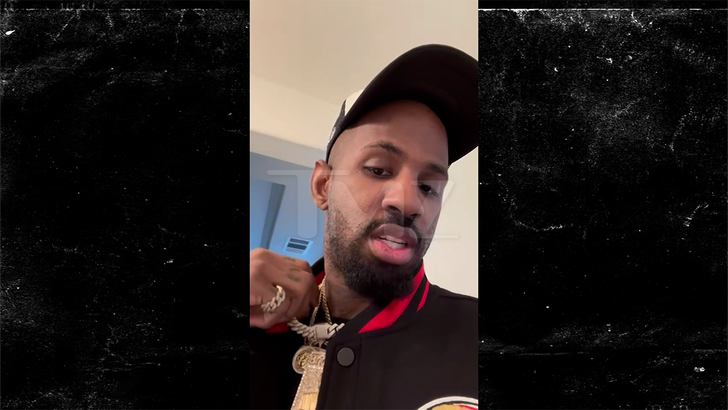
As we previously reported, prosecutors accuse Love of posing as a wealthy investor and 49ers player while allegedly scamming at least 26 women out of about $1.3 million.
*Review Page:* https://vapeguy.com/reviews/pax-mini-review/
*My Top Rated:*
*Main Channel:*
https://www.youtube.com/@vapeguyy
*Backup Channel:*
https://www.youtube.com/@vapeguyy2
*Find me here:*
IG- https://www.instagram.com/vapeguyy/
FB- https://www.facebook.com/vapeguyy
Join my Reddit community: https://bit.ly/reddit-wv
X- https://x.com/vapeguyy
Website: https://vapeguy.com
*Other videos (Dry Herb):*
*Other videos (Concentrates):*
*PAX Mini 2 Review + VS. Pax Flow*
Pax just released the Mini 2, a device practically identical to the discontinued Pax Plus, but at the Mini’s $150 price—an incredible value. This review dives into the classic Pax design (slim, durable aluminum body), simple usage, and conduction heating performance. It’s built like a tank and is the reviewer’s most-used portable heating device for slow, satisfying sessions (6-9 inhales). See how it stacks up against the Pax Flow and why the reviewer prefers the Mini 2. Plus, stick around until the end for a giveaway of two used Pax Pluses!
source